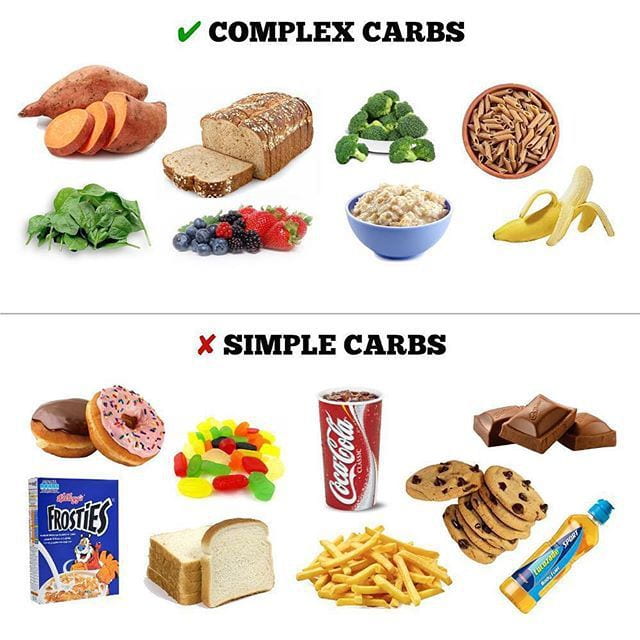
When energy levels drop, quick fixes like sugary snacks or excessive caffeine lead to rapid spikes followed by sharp crashes. Sustained vitality relies on complex carbohydrates, healthy fats, lean proteins, and micronutrients that slow digestion and maintain stable blood sugar levels.
Key Nutritional Categories for Energy
1. Complex Carbohydrates (Slow-Burn Fuel)
Complex carbs break down gradually into glucose, providing a steady stream of fuel to the brain and muscles without causing blood sugar spikes.
- Oats: Packed with soluble fiber (beta-glucan) and B vitamins, oats slow glucose absorption and aid energy production.
- Sweet Potatoes: High in complex carbohydrates, manganese (which aids nutrient breakdown), and fiber.
- Quinoa & Brown Rice: Whole grains rich in fiber and magnesium that deliver long-lasting stamina.
2. Healthy Fats & Proteins (Satiation & Cell Function)
Proteins and fats slow down carbohydrate digestion and protect against energy dips.
- Walnuts & Almonds: Contain healthy omega-3 and omega-6 fatty acids, along with magnesium and B vitamins required to convert food into cellular energy (ATP).
- Eggs: Rich in protein, leucine (an amino acid that triggers energy production), and B-complex vitamins.
- Fatty Fish (Salmon, Sardines): High in omega-3 fatty acids, which reduce inflammation and support mitochondrial function.
3. Micronutrient & Hydration Boosters
Micronutrients act as cofactors in metabolic pathways, while proper hydration prevents metabolic sluggishness.
- Bananas: Excellent natural source of potassium, vitamin B6, and easily digestible complex carbohydrates.
- Chickpeas & Lentils: Provide plant-based protein, iron (critical for oxygen transport in blood), and folate.
- Water & Coconut Water: Dehydration is a primary cause of fatigue; electrolytes like potassium and magnesium in coconut water restore hydration quickly