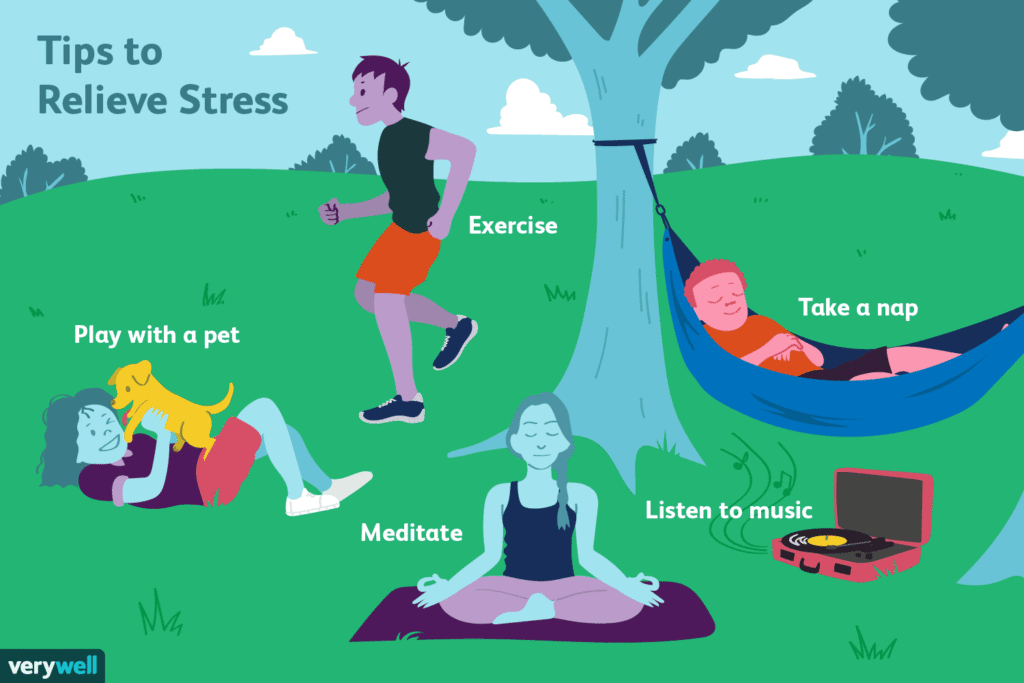
Stress is a normal part of life, but too much of it can affect both your physical and mental health. Learning how to manage stress effectively can help you feel happier, healthier, and more productive. Here are some practical tips to reduce stress and improve your overall well-being.
- Identify Your Stress Triggers
The first step in managing stress is understanding what causes it. Keep a journal or make notes about situations that make you feel overwhelmed. Once you identify the triggers, you can develop strategies to handle them better. - Exercise Regularly
Physical activity is one of the best stress relievers. Walking, jogging, cycling, yoga, or strength training can release endorphins, which naturally improve your mood and reduce stress. - Get Enough Sleep
A lack of sleep can increase stress levels. Aim for 7–9 hours of quality sleep each night by maintaining a consistent sleep schedule and avoiding screens before bedtime. - Practice Deep Breathing
Deep breathing exercises can calm your nervous system and reduce anxiety. Spend a few minutes each day taking slow, deep breaths to help your body relax. - Eat a Balanced Diet
Nutritious foods support both your body and mind. Include fruits, vegetables, whole grains, lean proteins, and healthy fats while limiting excessive sugar and caffeine. - Stay Connected
Talking to friends, family, or trusted colleagues can help you feel supported during stressful times. Sharing your feelings often makes challenges easier to manage. - Take Breaks
Working continuously without rest can increase stress. Take short breaks throughout the day to stretch, walk, or simply relax your mind. - Practice Mindfulness
Mindfulness and meditation help you stay focused on the present moment instead of worrying about the past or future. Even 10 minutes a day can make a difference. - Set Realistic Goals
Avoid taking on too many responsibilities at once. Break large tasks into smaller steps and celebrate your progress along the way. - Make Time for Hobbies
Doing activities you enjoy—such as reading, gardening, painting, or listening to music—can help you relax and recharge.
Conclusion
Stress is unavoidable, but it doesn’t have to control your life. By adopting healthy habits like regular exercise, proper sleep, balanced nutrition, mindfulness, and staying connected with others, you can manage stress more effectively and enjoy a healthier, more balanced lifestyle.
Hashtags