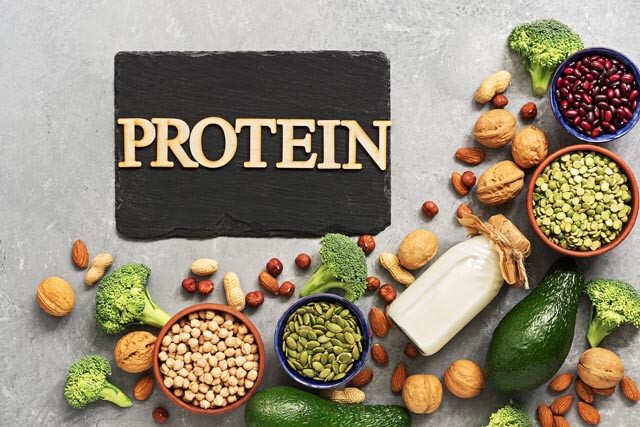
Protein is one of the most important nutrients your body needs every day. It helps build muscles, repair tissues, strengthen the immune system, and keep you feeling full for longer. Whether your goal is weight loss, muscle gain, or simply staying healthy, eating protein-rich foods is essential.
Why Is Protein Important?
Protein plays many vital roles in the body, including:
Builds and repairs muscles
Supports healthy skin, hair, and nails
Boosts metabolism
Helps control hunger
Strengthens the immune system
Aids recovery after exercise
Best High-Protein Foods
- Chicken Breast
Chicken breast is one of the leanest and most popular protein sources.
Protein: About 31g per 100g
Low in fat
Great for muscle growth - Eggs
Eggs are affordable, nutritious, and packed with high-quality protein.
Protein: About 6g per egg
Rich in vitamins and healthy fats
Ideal for breakfast - Fish
Salmon, tuna, and sardines are excellent sources of protein and omega-3 fatty acids.
Protein: 20–25g per 100g
Supports heart and brain health - Greek Yogurt
Greek yogurt contains more protein than regular yogurt.
Protein: Around 10g per 100g
Rich in calcium
Great as a snack - Lean Beef
Lean beef provides protein along with iron and vitamin B12.
Protein: Around 26g per 100g
Helps build muscle and energy - Lentils
Lentils are an excellent plant-based protein source.
Protein: About 9g per 100g (cooked)
High in fiber
Good for heart health - Beans
Black beans, kidney beans, and chickpeas are nutritious and filling.
Protein: 8–10g per 100g
Rich in fiber and minerals - Tofu
Tofu is perfect for vegetarians and vegans.
Protein: Around 8g per 100g
Low in calories
Versatile in cooking - Cottage Cheese
Cottage cheese is high in protein and low in fat.
Protein: About 11g per 100g
Excellent for muscle recovery - Nuts and Seeds
Almonds, peanuts, chia seeds, and pumpkin seeds provide protein and healthy fats.
Protein: 6–25g depending on the type
Great for healthy snacks
Tips to Increase Protein Intake
Include protein in every meal.
Choose lean meats and low-fat dairy.
Snack on nuts, yogurt, or boiled eggs.
Add beans or lentils to soups and salads.
Use protein-rich foods after workouts.
Conclusion
Eating a variety of high-protein foods can help you build muscle, manage weight, and improve overall health. Combining animal and plant-based protein sources ensures you get a balanced intake of essential nutrients. Make protein a regular part of your daily meals for long-term health benefits.
FAQs - Which food has the highest protein?
Chicken breast is one of the highest natural protein sources, providing about 31 grams of protein per 100 grams. - Can vegetarians get enough protein?
Yes. Foods like tofu, lentils, beans, Greek yogurt, and nuts provide plenty of protein. - How much protein should I eat daily?
Most adults need about 0.8 grams of protein per kilogram of body weight, while active people and athletes often need more.