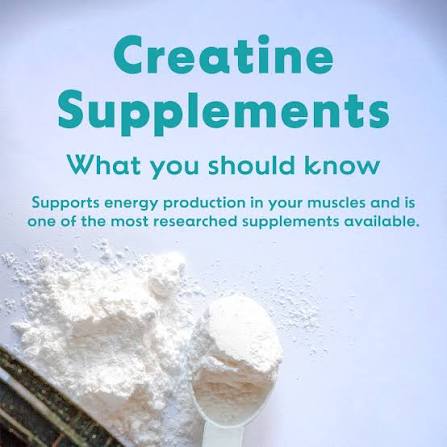
Creatine is one of the most researched and effective sports supplements available today. It is naturally found in your muscles and helps produce energy during high-intensity activities like weightlifting, sprinting, and explosive sports. Whether you’re a beginner or an experienced athlete, creatine can help improve strength, power, and muscle growth when combined with proper training.
What Is Creatine?
Creatine is a natural compound made from amino acids. Your body produces it in the liver, kidneys, and pancreas, and you also get small amounts from foods such as red meat and fish. Many people choose creatine supplements to increase their muscle creatine stores and improve exercise performance.
Top Benefits of Creatine
1. Increases Strength
Creatine helps your muscles produce energy faster, allowing you to lift heavier weights and perform more repetitions during workouts.
2. Supports Muscle Growth
By improving training performance and increasing water content inside muscle cells, creatine creates an environment that supports muscle growth over time.
3. Improves Exercise Performance
It is especially effective for short bursts of high-intensity exercise such as sprinting, jumping, and resistance training.
4. Speeds Up Recovery
Some research suggests creatine may reduce muscle damage and inflammation, helping you recover more quickly between training sessions.
5. Enhances Brain Function
The brain also uses creatine for energy. Some studies indicate that supplementation may improve memory, focus, and mental performance, particularly during periods of stress or sleep deprivation.
6. Helps Prevent Muscle Loss
Older adults and people recovering from injury may benefit from creatine by preserving muscle mass when combined with resistance exercise.
How to Take Creatine
The most common and well-studied form is creatine monohydrate.
- Loading phase (optional): 20 g per day for 5–7 days, divided into four doses.
- Maintenance phase: 3–5 g per day.
Taking creatine consistently is more important than the exact time of day.
Is Creatine Safe?
For healthy adults, creatine is considered safe when taken at recommended doses. It has been extensively studied and has a strong safety record. Drinking enough water and following the recommended dosage are good practices.
Common Myths About Creatine
- Myth: Creatine is a steroid.
Fact: Creatine is not a steroid. It is a naturally occurring compound. - Myth: Creatine damages the kidneys.
Fact: Research has found no evidence of kidney damage in healthy individuals using recommended doses. - Myth: Creatine is only for bodybuilders.
Fact: It can benefit athletes, recreational exercisers, and older adults looking to maintain strength and muscle mass.
Final Thoughts
Creatine is one of the most effective, affordable, and scientifically supported supplements for improving strength, power, muscle growth, and exercise performance. Combined with a balanced diet and consistent training, it can help you achieve your fitness goals more effectively.
#Hashtags
#Creatine #CreatineBenefits #Fitness #Workout #MuscleGrowth #StrengthTraining #GymLife #SportsNutrition #HealthyLifestyle #FitnessTips #Exercise #Recovery #Performance #Supplements #Health