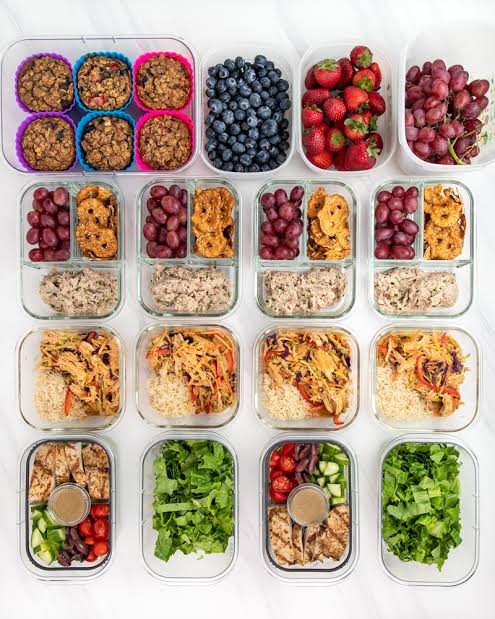
Meal planning is a simple way to organize your meals, save time, reduce food waste, and make healthier choices. Instead of deciding what to eat at the last minute, you can plan balanced meals in advance.
- Set Your Goals
Decide what you want from meal planning—better nutrition, weight management, saving money, or simply making cooking easier. - Plan Balanced Meals
Include a combination of protein, whole grains or other carbohydrates, vegetables, fruits, and healthy fats. A variety of foods helps provide essential nutrients. - Create a Weekly Menu
Choose meals for the week and consider your schedule. Keep quick options available for busy days and more involved recipes for days when you have extra time. - Make a Grocery List
Write down the ingredients you need before shopping. Check your pantry and refrigerator first to avoid buying unnecessary items. - Prepare in Advance
Wash and chop vegetables, cook grains, prepare proteins, or portion snacks ahead of time. Even 30–60 minutes of preparation can make the week easier. - Keep It Flexible
Meal plans do not need to be perfect. Leave room for leftovers, eating out, or changing your meal based on your schedule. - Focus on Consistency
A successful meal plan should be practical and enjoyable. Start with a few planned meals each week and gradually build the habit.
Bottom line: Meal planning can make healthy eating more convenient, organized, and sustainable. Plan ahead, choose nutritious foods, and keep your routine flexible.