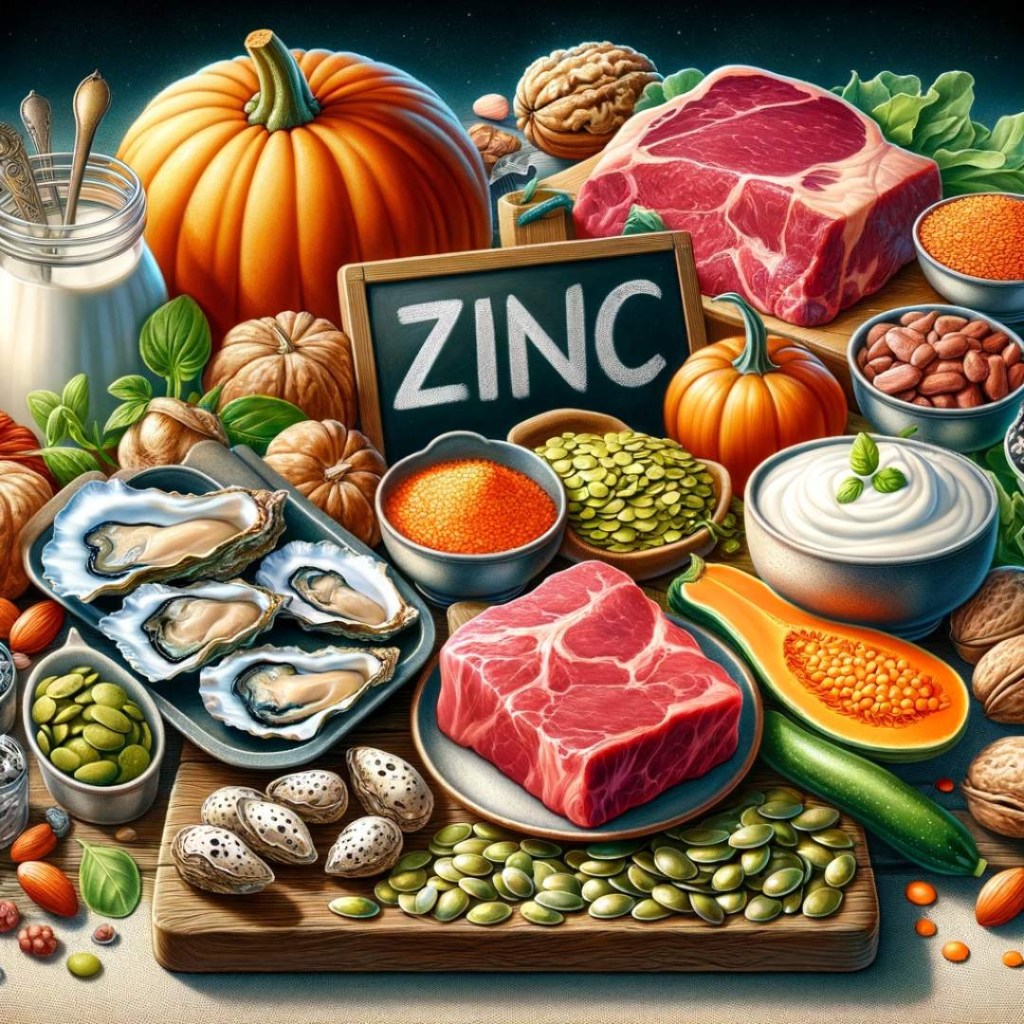
Zinc is often called the body’s “quiet workhorse.” Though required only in trace amounts, this essential mineral is involved in over 300 enzymatic reactions that drive everything from DNA creation to immunity, skin repair, and metabolic health.
Because the human body cannot produce or store zinc, maintaining a consistent daily supply through food or supplementation is critical for optimal long-term health.
1. Top Health Benefits of Zinc
Supercharging the Immune System
Zinc is vital for the development and signaling of immune cells, including T-lymphocytes and natural killer (NK) cells.
- Cold Recovery: Multiple clinical studies show that starting zinc lozenges within 24 hours of cold symptoms can reduce the duration of a cold by up to 33%.
- Oxidative Stress: It acts as an antioxidant, combating free radicals that trigger systemic inflammation.
Accelerating Wound Healing and Skin Health
Zinc plays a key role in collagen synthesis, inflammatory control, and tissue repair.
- Tissue Repair: Used extensively in hospital burn units and wound care, zinc speeds up skin tissue regeneration.
- Acne Management: By suppressing C. acnes bacteria and lowering inflammatory response, oral and topical zinc are effective adjunctive treatments for stubborn acne.
Supporting Hormonal Health and Fertility
- Testosterone & Men’s Health: Adequate zinc levels are necessary for healthy testosterone production, sperm quality, and prostate health.
- Thyroid Metabolism: Zinc aids in converting thyroid hormones (T_4 to active T_3), preventing sluggish metabolic function.
Protecting Vision & Macular Health
Zinc concentrated in the retina helps produce melanin, a protective pigment in the eyes. Large-scale clinical trials (such as the Age-Related Eye Disease Study, AREDS) demonstrate that zinc combined with antioxidants slows the progression of age-related macular degeneration (AMD).
2. Dietary Sources of Zinc
Animal products contain high amounts of bioavailable zinc. Plant foods also offer healthy doses, though they contain phytates—compounds that bind to minerals and lower their absorption rate.
| Food Source | Serving Size | Average Zinc Content |
|---|---|---|
| Oysters (Cooked) | 3 oz (85g) | ~74 mg (670% DV) |
| Beef Roast | 3 oz (85g) | ~7.0 mg (64% DV) |
| Crab / Lobster | 3 oz (85g) | ~3.0–6.5 mg |
| Pumpkin Seeds | 1 oz (28g) | ~2.2 mg (20% DV) |
| Chickpeas / Lentils | 1 cup cooked | ~2.5 mg (23% DV) |
| Dark Chocolate (70%+) | 3 oz (85g) | ~2.8 mg (25% DV) |
3. Daily Requirements and Safety Limits
The Recommended Dietary Allowance (RDA) varies by gender and life stage:
- Adult Men: 11 mg / day
- Adult Women: 8 mg / day (11 mg during pregnancy; 12 mg during lactation)
- Tolerable Upper Intake Limit (UL): 40 mg / day for adults
- Slow wound healing or frequent skin breakouts
- Hair thinning or loss
- Loss of taste or smell sensitivity (ageusia/dysgeusia)
- Frequent infections or lingering colds
- Brain fog and fatigue