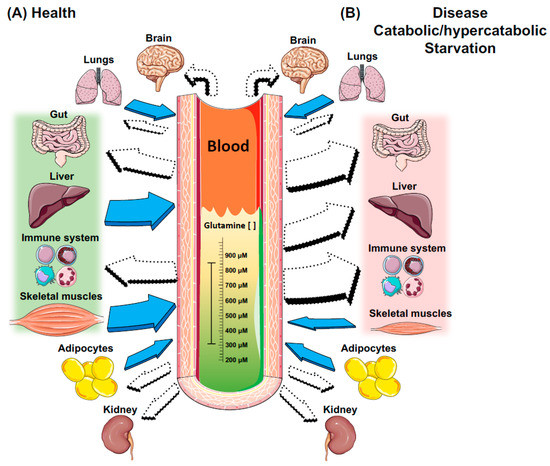
Glutamine is one of the most abundant amino acids in the human body. It plays a vital role in muscle recovery, immune function, gut health, and overall wellness. While your body naturally produces glutamine, intense exercise, illness, or stress can increase your body’s demand, making supplementation beneficial for some people.
What Is Glutamine?
Glutamine is a conditionally essential amino acid. Under normal conditions, your body makes enough of it. However, during periods of physical stress, injury, or intense training, your body’s glutamine stores can become depleted.
It is commonly found in:
Beef and chicken
Fish
Eggs
Dairy products
Beans
Spinach
Cabbage
Top Benefits of Glutamine
- Supports Muscle Recovery
Glutamine helps repair muscle tissue after intense workouts, reducing muscle soreness and supporting faster recovery. - Boosts Immune Function
Heavy exercise can temporarily weaken the immune system. Glutamine serves as an important fuel source for immune cells, helping your body defend against illness. - Promotes Gut Health
Glutamine supports the cells lining your intestines, helping maintain a healthy gut barrier and digestive function. - Reduces Muscle Breakdown
During prolonged exercise or calorie restriction, glutamine may help reduce muscle protein breakdown and preserve lean muscle mass. - Supports Faster Recovery After Illness or Surgery
Doctors sometimes recommend glutamine in clinical settings because it can support healing and recovery following surgery or serious illness. - Improves Hydration and Cell Function
Glutamine helps transport nutrients and supports cellular hydration, which is important for optimal muscle performance. - May Improve Athletic Performance
Although glutamine doesn’t directly increase strength or muscle growth, it may help athletes recover more efficiently between training sessions.
Who Should Consider Glutamine?
Glutamine supplementation may benefit:
Strength athletes
Endurance athletes
Individuals recovering from illness or surgery
People with high training volumes
Those looking to support digestive health
How to Take Glutamine
Typical dosage:
5–10 grams daily
Can be taken after workouts or before bed
Mix with water, juice, or a protein shake
Always follow the product label or consult a healthcare professional if you have a medical condition.
Are There Any Side Effects?
Glutamine is generally considered safe when taken at recommended doses. Some people may experience:
Mild stomach discomfort
Bloating
Nausea (rare)
People with kidney or liver disease should consult a healthcare professional before using glutamine supplements.
Final Thoughts
Glutamine is a versatile amino acid that supports muscle recovery, immune health, and digestive function. While it isn’t a miracle muscle-building supplement, it can be a valuable addition to a balanced nutrition and training program, especially for individuals with demanding physical routines.