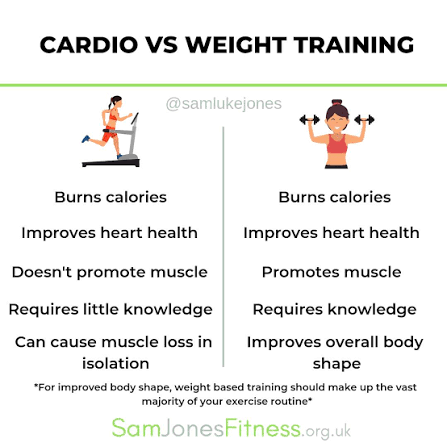
When it comes to improving your health and fitness, two of the most popular forms of exercise are cardio and weight training. While both provide incredible benefits, the right choice depends on your personal goals. Whether you want to lose weight, build muscle, improve endurance, or enhance overall health, understanding the differences can help you create the perfect workout routine.
What Is Cardio?
Cardiovascular exercise, commonly called cardio, includes activities that raise your heart rate and keep it elevated over time. Examples include:
Running
Walking
Cycling
Swimming
Jump rope
Rowing
Benefits of Cardio
Improves heart and lung health
Burns calories effectively
Increases stamina and endurance
Helps reduce stress and anxiety
Supports weight loss
Lowers the risk of chronic diseases
What Is Weight Training?
Weight training, also known as resistance training or strength training, involves exercising your muscles against resistance using:
Dumbbells
Barbells
Resistance bands
Machines
Bodyweight exercises
Benefits of Weight Training
Builds lean muscle mass
Increases strength and power
Boosts metabolism
Improves bone density
Enhances posture and balance
Supports healthy aging
Cardio vs Weight Training: Key Differences
Cardio
Weight Training
Focuses on heart health
Focuses on muscle strength
Burns more calories during exercise
Burns more calories after exercise due to increased metabolism
Improves endurance
Builds muscle mass
Great for cardiovascular fitness
Great for body composition
Helps reduce stress
Improves functional strength
Which Is Better for Weight Loss?
Both are effective.
Cardio burns more calories during the workout.
Weight training increases muscle, which helps your body burn more calories throughout the day.
The best approach is combining both with a healthy, balanced diet.
Which Is Better for Muscle Growth?
Weight training is the clear winner for building muscle. Progressive overload, adequate protein intake, and proper recovery are essential for muscle growth.
Which Is Better for Overall Health?
The healthiest fitness plan includes both:
3–5 cardio sessions per week
2–4 strength training sessions per week
This combination improves heart health, muscle strength, flexibility, and long-term wellness.
Sample Weekly Plan
Monday: Strength Training (Upper Body)
Tuesday: 30-minute Cardio
Wednesday: Strength Training (Lower Body)
Thursday: Walking or Cycling
Friday: Full-Body Strength Workout
Saturday: HIIT or Swimming
Sunday: Rest or Light Stretching
Final Thoughts
Cardio and weight training are not competitors—they complement each other. Cardio strengthens your heart and improves endurance, while weight training builds muscle, boosts metabolism, and increases overall strength. Combining both creates a balanced fitness routine that supports weight loss, muscle growth, and long-term health.