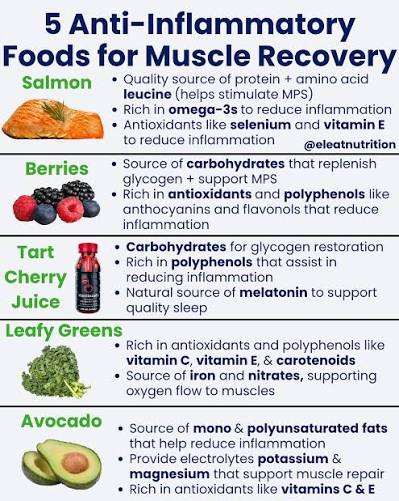
Protein is one of the most important nutrients for anyone looking to recover faster after exercise. Whether you’re lifting weights, running, cycling, or simply staying active, your muscles undergo stress during physical activity. Consuming enough protein helps repair this damage, supports muscle growth, and prepares your body for your next workout.
Why Muscles Need Recovery
Exercise creates tiny tears in muscle fibers. This is a normal part of training and is actually how muscles become stronger. During recovery, your body repairs these fibers, making them larger and more resilient. Protein provides the amino acids needed for this repair process.
How Protein Helps Muscle Recovery
- Repairs Damaged Muscle Tissue
Protein supplies essential amino acids that rebuild muscle fibers damaged during exercise. Without enough protein, recovery may take longer and muscle soreness can increase. - Promotes Muscle Growth
Resistance training combined with adequate protein intake stimulates muscle protein synthesis—the process responsible for building new muscle tissue. - Reduces Muscle Breakdown
Consuming protein after exercise helps reduce muscle protein breakdown, allowing your body to maintain and build lean muscle mass more effectively. - Speeds Up Recovery
A protein-rich meal or shake after exercise helps replenish nutrients, repair tissues, and reduce recovery time between workouts. - Supports Strength and Performance
Consistent protein intake helps improve muscle strength, endurance, and overall athletic performance by ensuring muscles recover properly.
Best Sources of Protein
Whey protein
Greek yogurt
Eggs
Chicken breast
Fish
Lean beef
Cottage cheese
Tofu
Tempeh
Lentils and beans
Quinoa
Nuts and seeds
When Should You Eat Protein?
Many people benefit from consuming 20–40 grams of high-quality protein within about two hours after exercise. Spreading protein intake evenly throughout the day also supports continuous muscle repair and growth.
How Much Protein Do You Need?
Protein needs vary depending on activity level:
Sedentary adults: 0.8 g per kg of body weight
Active individuals: 1.2–1.7 g/kg
Strength athletes or muscle-building goals: 1.6–2.2 g/kg
Individual needs may vary based on age, training intensity, and overall health.
Tips to Maximize Muscle Recovery
Eat protein with every meal.
Stay hydrated.
Get enough sleep.
Combine protein with healthy carbohydrates after workouts.
Be consistent with your nutrition and training.
Conclusion
Protein is essential for repairing muscles, supporting growth, reducing soreness, and improving overall recovery. By consuming enough high-quality protein each day and pairing it with proper rest and training, you can recover more efficiently and achieve better fitness results.